


New Versus Used Piano: Which Should You Buy?
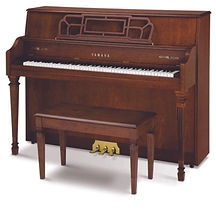
A piano can become part of a family’s daily rhythm: a child practicing after school, a parent returning to music, or friends gathering around for a favorite song. When deciding on a new versus used piano, the best choice is rarely just about the sticker price. It is about how the instrument feels, sounds, holds up over time, and supports the player who will sit down at the keys.
For some families, a new piano offers confidence and a fresh start. For others, a carefully selected used piano provides exceptional musical value. The key is understanding what you are buying and having a knowledgeable local piano professional help you look beyond the finish.
New Versus Used Piano: Start With the Player
Before comparing models, consider who will use the piano and how it fits into their musical plans. A young beginner needs an instrument with dependable keys, consistent tuning, and a tone that encourages practice. An advancing student may need more dynamic control and a responsive action for lessons, recitals, and auditions. An adult hobbyist may care most about beautiful tone, appearance, and the pleasure of playing at home.
A piano is also a long-term household purchase. Unlike many beginner instruments, an acoustic piano cannot simply be placed in a closet when schedules get busy. It needs room, stable humidity, regular tuning, and thoughtful moving. Choosing well from the start can make those responsibilities feel worthwhile rather than frustrating.
If you are not yet sure that piano lessons will become a lasting commitment, a quality digital piano can also be a practical first step. Look for 88 weighted keys and a stable stand or cabinet, rather than a lightweight keyboard with unweighted keys. For families ready for the experience of an acoustic instrument, though, the new-versus-used decision deserves closer attention.
Why Families Choose a New Piano
A new piano offers predictability. Its hammers, strings, action parts, soundboard, and finish have not been exposed to years of changing temperatures, dry winters, humidity, enthusiastic young players, or uncertain maintenance. You know its history because it has none.
That condition matters most in the action, the intricate mechanism that connects each key to a hammer. A properly prepared new piano should have an even touch from one end of the keyboard to the other. Notes should repeat cleanly, pedals should work smoothly, and the player should not encounter sticky keys or uneven volume while learning a piece.
New instruments also typically include manufacturer warranty coverage. The details vary by brand and model, so it is wise to ask what is covered, for how long, and what service is required to keep coverage in effect. A warranty does not remove the need for tuning and normal care, but it can provide welcome reassurance for a first-time buyer.
There is an emotional advantage, too. A new piano can mark the beginning of a child’s musical journey or a family’s return to making music together. It arrives in your home in excellent playing condition, with no concerns about who owned it before or whether it was neglected along the way.
The trade-off is cost. New pianos generally require a larger initial investment, especially when you move into larger uprights or grand pianos. However, a well-built piano that receives regular care can serve a family for many years, making its value about more than the first purchase price.
When a Used Piano Is a Smart Choice
A used piano is not automatically a bargain, and it is not automatically a risk. Its value depends on its condition, age, quality of construction, maintenance history, and the work needed to make it play properly. A well-cared-for used piano from a respected maker can be a wonderful instrument with mature tone and a price that leaves room in the budget for lessons, moving, and regular tuning.
For an intermediate student, a good used acoustic piano may offer more musical depth than a similarly priced entry-level new model. It may have a larger cabinet, longer strings, or a more substantial action. These qualities can affect tonal color, sustain, and control, all of which become more noticeable as a student develops stronger technique.
Used pianos can also make sense for players who want a specific cabinet style or the character of an older instrument. But age alone is not a mark of quality. A piano may look elegant and still have worn action parts, rusty strings, a cracked soundboard, loose tuning pins, or structural problems that are costly to correct.
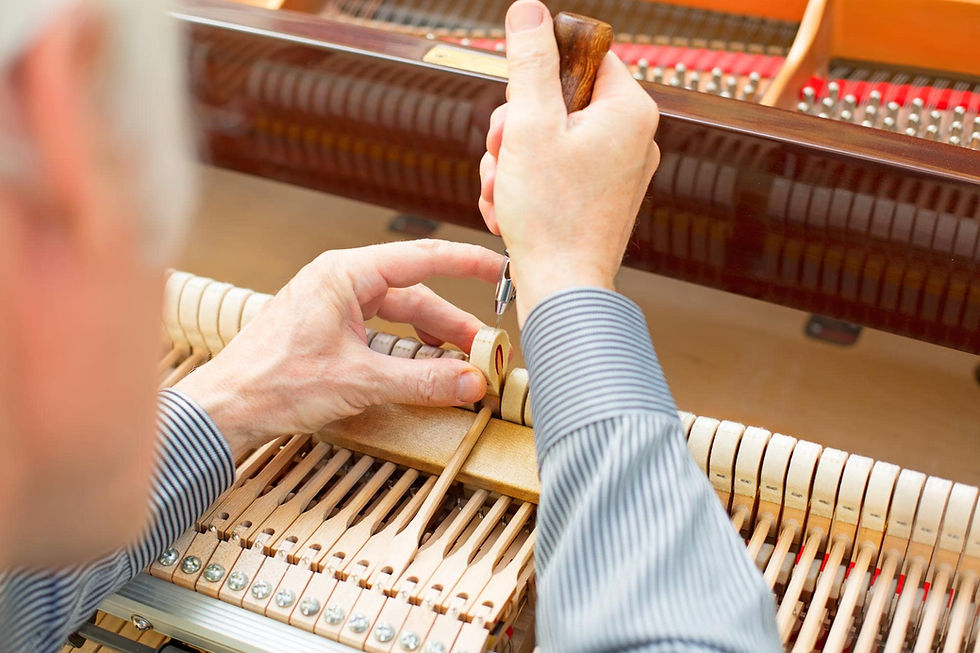
The most important rule is simple: never judge a used piano only by its exterior or whether every key makes a sound. A piano can play a scale and still need substantial repair work. An inspection by an experienced piano technician or knowledgeable dealer can reveal whether the instrument is a promising purchase or an expensive project.
What to Check Before Buying a Used Piano
When evaluating a used piano, ask about its history. Where has it been kept? Has it received regular tuning? Has it been exposed to a damp basement, garage, sunroom, or major temperature changes? Has it been moved often? Honest answers to these questions can tell you more than a polished cabinet.
Listen carefully across the entire keyboard. The tone should be reasonably even from low to high notes, without harsh buzzing, rattling, or dead-sounding areas. Play softly and loudly. Notice whether the piano responds to changes in touch, because that responsiveness helps students learn expression rather than simply play the right notes.
Then test the action. Keys should return quickly and sit at a consistent height. Repeated notes should function without hesitation. The pedals should engage properly, especially the sustain pedal. Small adjustments are normal on a used instrument; widespread inconsistency is a reason to pause and seek an evaluation.
Also consider the practical costs that follow a purchase. Professional piano moving is essential, both for safety and for the instrument’s well-being. Plan for tuning after delivery and regular tuning thereafter, often at least once or twice a year depending on the piano and home environment. If the piano needs regulation, voicing, or repairs, include those expenses when comparing it with a new model.
Budget for the Whole Piano Experience
A family’s piano budget should include more than the instrument itself. Delivery, bench, tuning, maintenance, and lessons all contribute to the experience. A less expensive piano that requires immediate repairs can quickly become more costly than a better prepared instrument with a higher purchase price.
This is where buying from a trusted local music store can make a meaningful difference. Rather than trying to interpret a classified listing or accept a stranger’s description, you can play several instruments, ask questions, and receive guidance based on your player’s level and goals. At Naperville Music, families can also pair the right instrument with lessons and ongoing piano service, creating support that continues after delivery day.
For parents, lessons are often the best protection for a piano investment. A student who has regular instruction is more likely to build confidence, good habits, coordination, and a genuine connection to music. The piano does not have to be the most expensive model in the room to support meaningful progress, but it should be reliable enough that practice is enjoyable.
How to Make the Final Decision
Choose a new piano when you value warranty coverage, pristine condition, predictable performance, and the confidence of knowing the instrument’s complete history. It is often the simplest choice for families who want a dependable centerpiece for years of lessons and home music-making.
Choose a used piano when it has been professionally evaluated, is structurally sound, plays well, and offers a level of quality that fits your budget better than a comparable new instrument. A strong used piano can be a rewarding choice, especially when it comes from a source that stands behind its condition and can provide service when needed.
Whichever direction you choose, spend time at the keyboard before making a decision. Bring the student who will play it. Let them try familiar notes, listen to the sound, and notice how the keys feel under their hands. The right piano is the one that invites someone to sit down tomorrow, open the music, and play again.
Only You Can Decide
Ultimately, only you can determine what is the “best value” for your family because it is the one that you find feels the most musical and satisfying to play and best fits your budget. Trying models from different manufacturers will help you determine how you respond to the core material emphasis, tonal balance, the engineered action as well as the touch profile of different instruments. That comparison is the best way to find your ideal piano.
Many value conscious buyers looking for the biggest bang for their dollar often also consider a pre-owned piano as it may offer a superior value choice over buying a new piano. A pre-owned model from a respected brand may offer the same professional structural features at a significantly lower price. Check out our posts on why a quality pre-owned piano may be a good value for your family, and also, what to watch out for when buying a piano from a private party.
Finally, many players often consider a digital piano. Check out our post on the differences between an acoustic and a digital piano and be sure to check out our digital pianos on our website and in our showroom.
Explore our new and pre-owned pianos at:
About Naperville Music
Naperville Music has been a trusted piano dealer in the Chicago area for over 50 years. Naperville Music offers new acoustic pianos from Pearl River Pianos, and Ritmuller Pianos. We also offer Digital Pianos from Yamaha, Roland and Pearl River, as well as pre-owned instruments from most major manufacturers including Yamaha, Kawai, Baldwin, Roland, Casio and others.
We are a family-owned business located conveniently to Naperville, and the Chicago Suburbs, be sure to check out our modern piano showroom before you make your piano purchase.
For more piano information, including helpful videos and detailed product descriptions, visit https://www.napervillemusic.com/pianos-and-keyboards
Naperville Music's qualified and friendly staff are available to discuss your piano needs with no obligation, via email, live chat, phone, or in person.
Naperville Music
1-630-355-1404 x106 (Ask for Nate)
Use Our Live Text To Chat

Text 1-630-354-0625 to chat online with Nate for more details
The information and views expressed in our blog posts are gathered from various sources and are consistent with the views of Naperville Music. Pianos, whether new, used, or digital are a very personal purchase and you should experience any piano to be sure it meets your specific needs before you purchase one.
Comments