


Yamaha Upright Piano Review for Families
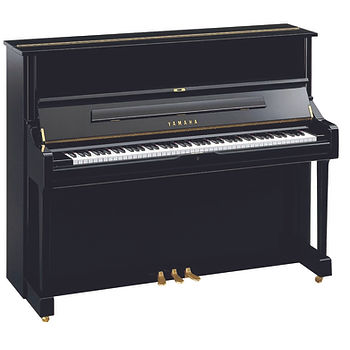
A piano can look nearly identical from across a room yet feel completely different once a student begins scales, chords, and repertoire. That is why a Yamaha upright piano review should go beyond brand recognition. For families choosing a first acoustic piano, advancing students preparing for auditions, or adults returning to music, the details that matter are tone, touch, consistency, size, and the support available after the piano arrives home.
Yamaha has earned its reputation by making upright pianos that are dependable, musically clear, and widely familiar to teachers. That does not mean every Yamaha upright is the same fit for every household. The right choice depends on who will play it, how much space is available, and whether the piano needs to serve a beginner for a few years or a serious musician for decades.
What Yamaha Upright Pianos Do Well
Yamaha uprights are known for a clean, balanced sound. Notes tend to speak clearly, which helps beginning students hear wrong notes, uneven rhythms, and changes in dynamics. For a child working through method books, that clarity can be more useful than a piano with a darker, more complex voice that masks small mistakes.
The action is another strength. Yamaha keys generally feel consistent from the lower bass notes through the upper treble. Students develop finger control when each key responds predictably, and teachers often appreciate that consistency during lessons. A reliable action also makes practice less frustrating: a child should be thinking about phrasing and rhythm, not fighting keys that feel uneven or sluggish.
Durability is a practical advantage for busy homes and teaching environments. A well-maintained Yamaha upright can handle years of daily practice, seasonal changes, and family use. Like any acoustic piano, it still needs regular tuning and occasional service. Dependable construction does not eliminate maintenance, but it gives owners a solid foundation to maintain.
Yamaha Upright Piano Review: Sound, Touch, and Build
The typical Yamaha upright voice is bright to moderately warm, focused, and direct. In a smaller room, that sound can help a beginner hear the melody line and articulate passages cleanly. In a larger living room, it can carry well without requiring excessive force from the player.
Still, “bright” is not automatically good or bad. Some players love Yamaha’s clarity for classical practice, jazz, pop, and contemporary worship music. Others prefer a rounder, mellower sound for Romantic-era music or quieter home playing. The particular instrument matters, too. Age, tuning history, room acoustics, and condition can all change how a piano sounds. Playing the exact piano is more meaningful than judging it only by a model name.
Yamaha’s action tends to be responsive and moderately firm. That gives students useful resistance as they learn to shape tone and control dynamics. A very light action can make fast notes feel easy at first, but it may not build the same control. On the other hand, a student moving from an entry-level keyboard may need a few weeks to adjust to the weight of a true acoustic action. That adjustment is usually a healthy part of developing technique.
Cabinet quality is generally clean and practical rather than overly decorative. Yamaha uprights are designed to be played regularly, and their straightforward styling works comfortably in many homes. If furniture design is your highest priority, compare finishes and cabinet profiles in person. If musical reliability is the priority, Yamaha’s functional approach is a real benefit.
Understanding Popular Yamaha Upright Sizes
Size affects more than where the piano sits. A taller upright usually has longer strings and a larger soundboard, which can produce a fuller bass response and greater tonal range.
Console and studio-style uprights
Smaller console models can be a sensible choice for homes with limited space, young beginners, or families who want an acoustic piano without making the room feel crowded. They provide real hammers, strings, and pedals, which makes them a different experience from most digital pianos.
The trade-off is tonal depth. A compact upright can sound very good, but it will not usually offer the bass presence or dynamic range of a taller studio upright. For a child in the first few years of lessons, that may be perfectly appropriate. For an advancing student who practices demanding classical literature, a taller instrument is often worth considering.
Taller professional uprights
Models such as the Yamaha U1 and U3 are familiar names because they are built for substantial musical use. The U1, at roughly 48 inches tall, is a popular choice for serious home practice, private studios, and schools. It offers a more developed sound than smaller uprights while fitting in spaces where a grand piano is not practical.
The taller U3 provides more string length and soundboard area. It can produce a bigger, richer sound with more room for advanced dynamics. It is a strong option for committed students, experienced players, and households where the piano will be a central part of family music-making.
The difference is not merely about volume. A larger upright can offer more color between soft and loud playing, along with a more satisfying bass register. But the U3 is heavier, larger, and more expensive. It makes sense when the player and room can take advantage of what it offers.
New, Used, or Institutional Models?
A new Yamaha upright offers the reassurance of known history, current condition, and a fresh start with proper setup and tuning. For parents who want an instrument to support a child from beginner lessons through high school, that predictability can be valuable.
A used Yamaha can also be an excellent purchase, especially when it has been inspected and serviced by piano professionals. The brand’s longevity means many older instruments remain musically useful. However, age alone is not a measure of value. A piano that has spent years in an uncontrolled environment may have tuning instability, worn action parts, rust, or soundboard concerns that are not obvious to a first-time buyer.
Institutional models, including the well-known P22 school piano, are built with frequent use in mind. Their appeal is durability and straightforward performance. They can be a practical choice for a teaching space, school program, church, or active household, though a home buyer may prefer the added tonal refinement of a taller studio model.
Who Should Choose a Yamaha Upright?
For beginners, a Yamaha upright is a meaningful step up from a lightweight keyboard because it teaches the relationship between touch and sound. The student learns to control real hammers and strings, use pedals with greater nuance, and build the hand strength needed for acoustic piano repertoire.
For intermediate students, Yamaha uprights are especially compelling when practice becomes more detailed. As students begin sonatinas, jazz voicings, ensemble work, or audition pieces, they need an instrument that responds to soft playing as well as loud playing. A consistent action lets their technique progress rather than forcing them to adapt to the piano’s limitations.
For adults, the question is often less about skill level and more about commitment and environment. An adult hobbyist who practices a few evenings a week may prefer the convenience of a digital piano with headphones. An adult who values acoustic tone, plays for family and friends, or wants a lasting furniture-quality instrument may find an upright far more rewarding.
Before You Bring One Home
Measure the intended wall and leave room for the bench, the player, and access for technicians. Avoid placing an acoustic piano directly against an exterior wall, near a heat vent, fireplace, radiator, or sunny window. Illinois weather can create significant humidity changes, and stable conditions help a piano hold its tuning and regulate properly.
Ask to play or hear the instrument at soft, medium, and strong dynamics. Check whether keys return evenly, pedals operate smoothly, and the tone feels appealing in the middle register as well as the bass and treble. If a student is involved, let them sit down and play. Their comfort matters, even if a parent makes the final decision.
Plan for ongoing care, too. Most home pianos benefit from tuning about twice each year, particularly during the first year in a new environment or after a move. Regular service protects the investment and makes practice more enjoyable. At Naperville Music, families can also pair an instrument decision with lessons and local piano service, giving a new player support beyond the day of purchase.
A Yamaha upright is not simply a name on a fallboard. It is a long-term practice partner. The best choice is the one that invites the player to sit down tomorrow, hear improvement, and keep going. Only You Can Decide
Ultimately, only you can determine what is the “best value” for your family because it is the one that you find feels the most musical and satisfying to play and best fits your budget. Trying models from different manufacturers will help you determine how you respond to the core material emphasis, tonal balance, the engineered action as well as the touch profile of different instruments. That comparison is the best way to find your ideal piano.
Many value conscious buyers looking for the biggest bang for their dollar often also consider a pre-owned piano as it may offer a superior value choice over buying a new piano. A pre-owned model from a respected brand may offer the same professional structural features at a significantly lower price. Check out our posts on why a quality pre-owned piano may be a good value for your family, and also, what to watch out for when buying a piano from a private party.
Finally, many players often consider a digital piano. Check out our post on the differences between an acoustic and a digital piano and be sure to check out our digital pianos on our website and in our showroom.
Explore our new and pre-owned pianos at:
Explore our certified pre-owned pianos at:
About Naperville Music
Naperville Music has been a trusted piano dealer in the Chicago area for over 50 years. Naperville Music offers new acoustic pianos from Pearl River Pianos, and Ritmuller Pianos. We also offer Digital Pianos from Yamaha, Roland and Pearl River, as well as pre-owned instruments from most major manufacturers including Yamaha, Kawai, Baldwin, Roland, Casio and others.
We are a family-owned business located conveniently to Naperville, and the Chicago Suburbs, be sure to check out our modern piano showroom before you make your piano purchase.
For more piano information, including helpful videos and detailed product descriptions, visit https://www.napervillemusic.com/pianos-and-keyboards
Naperville Music's qualified and friendly staff are available to discuss your piano needs with no obligation, via email, live chat, phone, or in person.
Naperville Music
1-630-355-1404 x106 (Ask for Nate)
Use Our Live Text To Chat

Text 1-630-354-0625 to chat online with Nate for more details
The information and views expressed in our blog posts are gathered from various sources and are consistent with the views of Naperville Music. Pianos, whether new, used, or digital are a very personal purchase and you should experience any piano to be sure it meets your specific needs before you purchase one.


Comments